

X
- No products in the list
Jan
In the food and beverage industry, safe and efficient storage is non-negotiable. From farms and production facilities to distribution centres and supermarkets, goods must be handled in a way that ensures freshness, compliance, and cost-effectiveness. The choice of storage and transport equipment plays a vital role in this process.
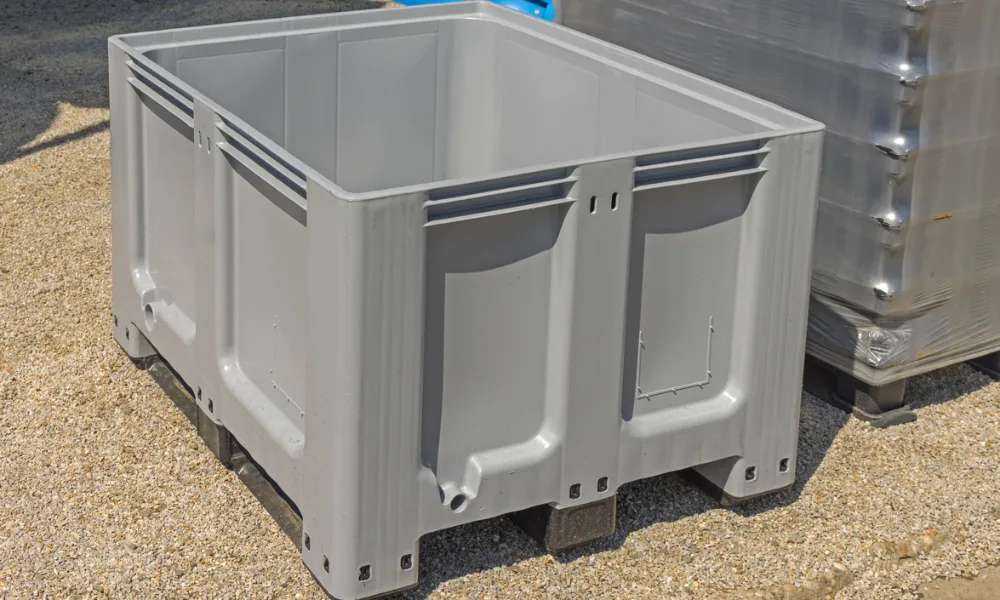
Plastic pallet boxes have become the preferred option for many businesses in the food sector. Offering hygienic, durable, and versatile solutions, they outperform wooden or cardboard alternatives in almost every area. In this article, we’ll explore why plastic pallet boxes are so valuable in food and beverage storage, and what businesses should consider when choosing the right type.
Perhaps the most important factor in food storage is hygiene. Wooden pallet boxes, with their porous surfaces, are prone to absorbing moisture and harbouring bacteria, mould, or pests. This creates a risk of contamination that can compromise food safety and lead to costly product recalls.
Plastic pallet boxes, on the other hand, are non-porous and easy to sanitise. Their smooth surfaces can be cleaned quickly with water or disinfectant, ensuring they remain free from dirt and bacteria. Many models are also resistant to chemicals and moisture, making them ideal for use in chilled or damp environments. By choosing plastic pallet boxes, food businesses can maintain compliance with industry regulations, while ensuring products are stored in the safest possible conditions.
Food and drink products often need to be stored in temperature-controlled environments, such as cold rooms, refrigerated vehicles, or even deep freeze facilities. Plastic pallet boxes are designed to perform reliably in these conditions. Unlike wood, which can warp, crack, or absorb moisture in cold and humid environments, plastic retains its shape and strength across a wide temperature range. This makes them particularly valuable for frozen goods, dairy, fresh produce, and beverages that must be stored consistently at low temperatures.
From delicate fruit and vegetables to bottles, cartons, and packaged food items, the food industry deals with products that require careful handling. Plastic pallet boxes provide excellent protection, thanks to their sturdy construction and smooth internal walls.
Optional features such as ventilated sides allow for air circulation, which helps preserve freshness in perishable goods like fruit, salad, and bakery items. Solid-sided models, meanwhile, are perfect for containing liquids, bulk ingredients, or goods that need complete protection from external contaminants.
Storage efficiency is another key priority for food and beverage companies, where margins are tight, and space is often limited. Plastic pallet boxes are available in stackable and nestable designs, allowing businesses to optimise warehouse layouts and transport capacity. Standardised dimensions also make them easy to integrate into conveyor systems, automated storage solutions, and pallet racking, saving time and reducing errors during handling.
For retailers, this efficiency translates into faster replenishment, smoother supply chains, and reduced labour costs.
Sustainability is becoming increasingly important across the food and beverage sector. Plastic pallet boxes support greener supply chains by being reusable and recyclable. Many are manufactured from recycled materials and can themselves be recycled at the end of their service life.
This durability reduces reliance on single-use packaging, cutting both waste and costs. By investing in long-lasting plastic pallet boxes, businesses contribute to their environmental goals while also improving supply chain efficiency.
When selecting plastic pallet boxes for food and beverage, businesses should consider:
By matching the box to the product, businesses can achieve maximum efficiency while ensuring food safety.
In the food and beverage industry, where hygiene, safety, and efficiency are paramount, plastic pallet boxes offer clear advantages. Their durable, hygienic, and temperature-resistant design makes them ideal for storing and transporting everything from fresh produce to beverages. By choosing the right plastic pallet boxes, businesses can not only protect product quality but also improve operational efficiency and support sustainability goals. For companies looking to streamline their food logistics, plastic pallet boxes are a reliable, future-proof investment.
Unit 1a & 1b Hammond Avenue
Whitehill Industrial Estate
Stockport
SK4 1PQ
0161 429 7536
sales@reco-group.com